


Die casting is a cornerstone of modern metal manufacturing. By injecting molten metal into steel molds under high pressure, manufacturers can produce complex parts with excellent dimensional accuracy and surface finish. But even the most advanced equipment can’t guarantee success without rigorous quality control.
Why Quality Control Is Essential
From aerospace to consumer electronics, end-users demand reliability. Here’s how quality control safeguards that:
- Material Verification: Ensuring the right alloy composition prevents defects like porosity or brittleness.
- Process Monitoring: Parameters such as mold temperature, injection speed, and cooling rate are constantly monitored to maintain consistency.
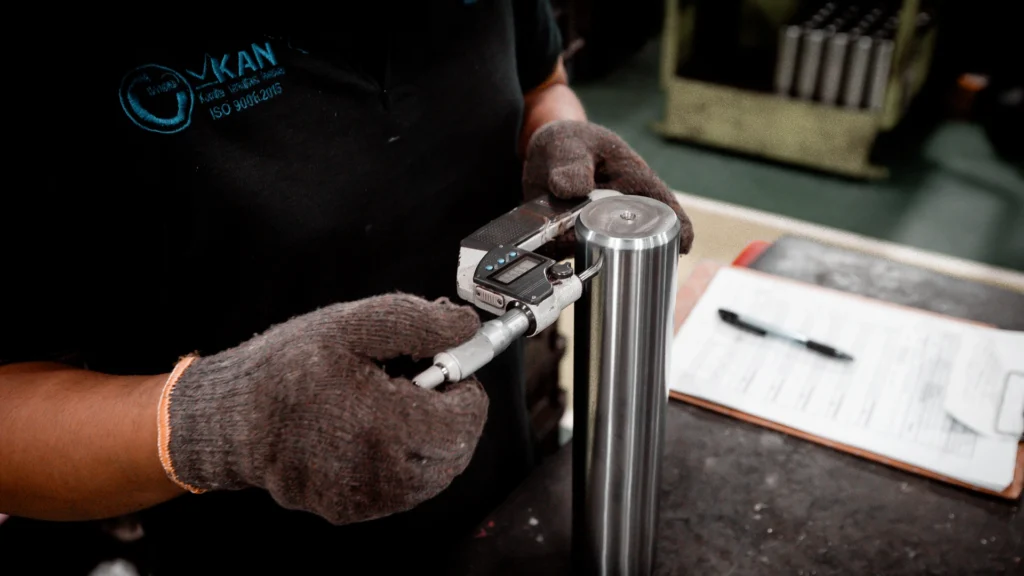
- Dimensional Checks: Precision measuring tools verify that each casting meets specifications.
- Non-Destructive Testing (NDT): Techniques like X-ray, ultrasonic, and dye penetrant testing are used to detect hidden flaws without damaging the part.
Key Benefits
- Reduced Scrap Rates: Fewer defective parts mean less waste.
- Customer Confidence: Reliable quality control builds trust and long-term partnerships.
- Regulatory Compliance: Industries like medical and aerospace require strict adherence to standards.
Conclusion
Quality control isn’t just a safety net—it’s a vital part of the die casting process. Companies that prioritize it not only reduce costs but also improve product performance and reputation.